Logistics Career guide to Success starts with a Diploma
Share This Post
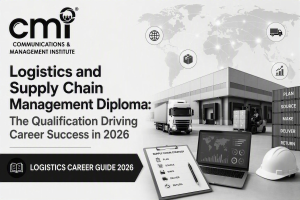
Logistics and Supply Chain Management Diploma: The Qualification Driving Career Success in 2026
As Ireland’s logistics sector continues to expand, professionals with recognised qualifications are emerging as the leaders shaping the future of supply chains.
Discover why a Logistics Career Guide 2026 would place a Logistics and Supply Chain Management Diploma at the top of every ambitious professional’s career plan.
Ireland’s logistics and supply chain sector is undergoing rapid transformation. From increased warehouse capacity and e-commerce growth to evolving sustainability requirements and digital technologies, employers are seeking professionals who can think strategically and lead operational improvement.
A Logistics and Supply Chain Management Diploma provides the advanced knowledge and practical skills needed to move beyond day-to-day operations and into management and leadership roles.
For many professionals, experience alone is no longer enough to secure promotion in today’s competitive market. Organisations increasingly value individuals who can combine workplace expertise with recognised qualifications.
A Logistics and Supply Chain Management Diploma helps bridge this gap by developing competencies in procurement, lean operations, inventory management, transportation, leadership, and strategic supply chain planning, enabling graduates to make a greater impact within their organisations.
Key Takeaways
Understand the strategic shift from reactive operations to proactive leadership required to navigate the 2026 global supply chain landscape.
Identify the core modules of a logistics and supply chain management diploma, focusing on the seamless integration of procurement, warehousing, and transport management.
Analyse the tangible career benefits of professional accreditation, including the ability to validate years of experience and negotiate senior salary tiers in the Irish market.
Gain insights into how new EU regulations, such as CBAM and PPWR, are transforming sustainability from a reporting requirement into a core operational function.
Explore how CMI Ireland’s flexible virtual learning model allows you to achieve industry-recognised qualifications whilst learning directly from active industry practitioners.
Table of Contents
The 2026 Supply Chain Landscape: Why a Professional Diploma is Vital
Core Competencies of a Logistics and Supply Chain Management Diploma
Assessing the ROI: Career Progression and Employer Recognition
Why Choose CMI Ireland for Your Professional Development
Surge in Growth and Challenges
Did you know that Ireland’s national logistics stock surged to over 51 million square metres by the start of 2026? This growth, combined with increasing automation, sustainability requirements, and evolving EU regulations has an impact in roles. Organisations need qualified logistics professionals capable of improving efficiencies and building resilient supply chains for the future. Experience alone isn’t enough to get promotion or a career change.
Many Irish professionals now face the challenge of balancing a demanding full-time job whilst trying to master rapid digitisation and complex new EU regulations. Earning a professional logistics and supply chain management diploma is the most effective way to bridge the gap between experience and the strategic knowledge required to navigate the current market.
The 2026 logistics, supply and transport environment is perhaps one of the most challenging years where opportunities and threats abound on a multitude of fronts and global networks. The Carbon Border Adjustment Mechanism (CBAM) is now in effect which has implications. This Logistics Career guide will demonstrate how an industry-accredited qualification can accelerate your career path forward and help you command senior salaries of €120,000 or more. We will explore the transition toward “Total Value” networks, the impact of AI on inventory optimisation, and the practical steps to achieving certification through focused learning at CMI Communications & Management Institute.
The 2026 Supply Chain Landscape: Why a Professional Diploma is Vital
The 2026 supply chain landscape isn’t just about moving goods; it’s about mastering a strategic discipline. A professional logistics and supply chain management diploma serves as a robust qualification where Irish employers favour industry-recognised certifications over general business degrees. This preference stems from the diploma’s ability to provide immediate, practical solutions to complex regulatory hurdles like the Carbon Border Adjustment Mechanism (CBAM) and the EU Packaging and Packaging Waste Regulation (PPWR). To fully grasp the breadth of this field, it’s helpful to understand what is supply chain management at its core, as the discipline now encompasses everything from ethical sourcing to green logistics.
Ireland’s logistics sector is evolving rapidly, creating new opportunities for ambitious professionals. However, many junior logistics staff discover that entry-level experience alone is not enough to progress into supervisory and management roles. As supply chains become more technology-driven and data-focused, employers seek professionals who can analyse performance, improve processes, and make informed business decisions.
Many newcomers face challenges understanding the wider supply chain beyond their immediate role. While they may gain valuable experience in warehousing, transport, procurement, or inventory control, career progression often requires broader commercial awareness and strategic thinking. A Logistics and Supply Chain Management Diploma helps bridge this gap by developing the knowledge, confidence, and leadership skills needed to take on greater responsibility and accelerate career growth.
Bridging the Skills Gap in the Irish Market
Ireland’s logistics infrastructure has expanded rapidly, with national stock reaching 51.4 million square metres at the start of 2026. Despite this physical growth, a significant skills gap remains. Companies across the country report a shortage of professionals capable of handling strategic procurement and advanced inventory management. By completing a logistics and supply chain management diploma, you position yourself as a solution to this talent deficit. For a deeper look at how these qualifications align with specific roles, you should consult our guide on Mastering Procurement and Supply Chain Management.
Digital Transformation and Supply Chain Resilience
Modern roles now prioritise data analytics and AI-driven inventory optimisation into their duties. These tools are essential for managing risks in a challenging trade environment where disruptions are frequent. Supply Chain Resilience is the ability to anticipate and adapt to disruptions. By mastering these digital frameworks, you ensure your organisation can thrive despite global volatility. This shift toward “Total Value” networks ensures that you aren’t just managing a warehouse but driving performance through data-led decision-making.
Core Competencies of a Logistics and Supply Chain Management Diploma
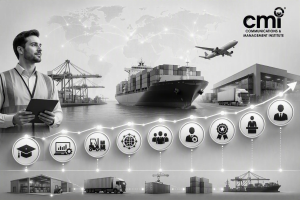
A high-quality logistics and supply chain management diploma provides more than just theoretical knowledge; it delivers a comprehensive toolkit for operational excellence. It is important that the three critical pillars of the logistics profession: procurement, warehousing, and transport management is part of the diploma. Mastering these interconnected areas allows you to oversee the entire flow of goods with precision and foresight. Beyond the physical movement of products, the legal and regulatory frameworks that govern modern trade are taught. You’ll gain a firm grasp of contract law and international customs regulations, which are vital for avoiding costly compliance errors in a complex global environment. Additionally, leadership and people management modules will prepare you to effectively manage diverse teams and human resources.
Strategic Procurement and Global Sourcing
Sourcing strategies have undergone a radical shift, moving away from simple cost-cutting toward ethical and sustainable practices. Today’s professionals must ensure that every link in the chain meets global standards of social responsibility and environmental compliance. Aligning your skills with content that reflects global standards ensures you are operating at an international level of excellence. For those looking to deepen their understanding of these high-level shifts, our analysis of Strategic Supply Chain Management in Ireland offers a comprehensive 2026 perspective on the industry’s direction.
Inventory and Warehouse Management Systems
The global volatility of the past years has forced a transition from “Just-in-Time” to “Just-in-Case” inventory strategies. This shift prioritises resilience over purely lean operations, ensuring that Irish businesses can withstand sudden supply shocks. A professional logistics and supply chain management diploma teaches you how to leverage modern Warehouse Management Systems (WMS) to maintain this delicate balance.
By applying advanced inventory control techniques, you can significantly reduce organisational costs whilst simultaneously improving service levels. This technical proficiency is a key factor in the positive career outlook for logistics managers, as companies seek experts who can protect their bottom line.
Assessing the ROI: Career Progression and Employer Recognition
Investing in your professional development should yield measurable returns. Securing a logistics and supply chain management diploma is often the catalyst for a significant salary increase and career advancement in the Irish market. Whilst entry-level roles in the sector typically offer between €42,000 and €53,000, professionals who progress to senior management positions can command salaries of €120,000 or more in the jobs market. Achieving a diploma qualification serves as a formal validation of your years of “on-the-job” experience into a recognised professional standard that Irish employers trust. Beyond the credentials, you’ll join a cohort of industry peers, creating a networking environment that leads to new opportunities.
Enhancing Your Professional Profile
Achieving a promotion requires more than just hard work; it requires visibility. Once you’ve earned your diploma, it’s essential to showcase your technical expertise and strategic mindset to stakeholders. You can find specific advice on this in our guide to Essential Supply Chain Management Skills for Your Resume. Holding an industry-recognised qualification also grants you access to professional membership levels and post-nominal letters, which signal your commitment to global standards. While many start in entry-level supply chain jobs, the strategic depth of a diploma ensures you don’t stay there for long.
Transitioning into Leadership Roles
Moving from operational tasks to strategic decision-making is a significant hurdle for many supervisors. The diploma curriculum prepares you for this shift by focusing on high-level functions like risk mitigation and network design, which are essential for Senior Buyer or Logistics Manager positions. At CMI Ireland, you aren’t just reading textbooks; you’re guided by expert tutors who are active practitioners. They provide the context needed to apply academic theories to real-world Irish business challenges.
Why Choose CMI Ireland for Your Professional Development
Selecting the right institution is a critical step in your career trajectory. CMI Ireland provides a unique delivery model that blends expert tutors who are active practitioners in the field with practical support, ensuring you don’t just earn a qualification but master the industry.
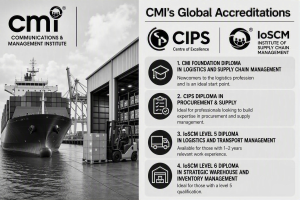
All these course options in Logistics means you’ll learn from mentors who understand the daily complexities of the Irish logistics sector. CMI’s global accreditations with prestigious bodies like CIPS and IoSCM ensure your credentials meet the highest international standards.
Flexible Learning for Busy Professionals
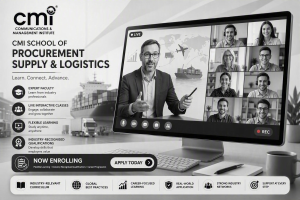
Balancing professional development with a full-time job is a common challenge for students. To address this, they offer flexible online and distance learning options, including live virtual classes that are recorded for your convenience. The live virtual classroom environment isn’t just about delivery; it fosters a collaborative space where you can engage with industry peers across Ireland. If you’re unsure which path best suits your ambitions, you should contact CMI Ireland to discuss your specific career goals with their expert advisors.
A Proven Path to Success
Their commitment to your advancement is reflected in the high success rates of our graduates and our consistently positive student reviews. By 2026, the demand for strategic supply chain leaders will only intensify as businesses continue to prioritise resilience and sustainability. Completing a diploma positions you at the forefront of this transition, ready to tackle the challenges of a fragmented globalised market.
Is a logistics and supply chain management diploma equivalent to a degree?
A professional diploma is a focused qualification rather than a broad academic degree. While a degree covers general business theories over several years, this diploma provides specialised expertise in operations and procurement. Irish employers often prefer this targeted approach for management roles because it demonstrates practical, workplace-ready skills. It’s a faster route to professional recognition for those who already have industry experience and want to move into leadership.
How long does it take to complete a professional diploma in logistics?
Most professional diplomas in this field are designed for completion within six to twelve months. This duration allows working professionals to balance their studies with full-time employment without sacrificing the depth of the curriculum. The focused nature of the programme ensures you gain strategic skills quickly, allowing for a faster return on investment compared to multi-year academic courses. You should check the specific schedule for the next intake to plan your career progression.
Can I study for my supply chain management qualification online while working?
Yes, these qualifications are specifically designed for individuals currently employed in the industry. Flexible delivery models, such as live virtual classes and recorded sessions, ensure you don’t have to choose between your career and your education. This workplace-focused approach means you can apply new strategic frameworks to your current role immediately. It benefits both your personal growth and your employer’s operational efficiency through the application of real-world solutions.
Are CMI Ireland logistics courses recognised by Irish employers?
CMI Ireland qualifications are highly regarded across the national landscape due to their industry-aligned curriculum and expert-led delivery. Employers value the practical focus and the fact that tutors are active practitioners. Accreditation from global bodies like IoSCM and CIPS further validates the standard of education, ensuring your logistics and supply chain management diploma carries weight with recruiters in Ireland and internationally when you’re negotiating senior-level positions.
What are the entry requirements for a Level 6 logistics diploma?
Entry requirements typically focus on a combination of previous education and relevant work experience. Applicants generally need a Level 5 qualification or one or two years of relevant experience in a logistics, procurement, or transport environment. This practical background ensures you can engage effectively with advanced topics like strategic sourcing and digital transformation. If you’re unsure of your eligibility, a brief consultation with an admissions advisor can help clarify the best path for your experience level.
How much does a logistics and supply chain management diploma cost in 2026?
costs vary depending on the specific accreditation and delivery mode, you should budget for registration, assessment, and tuition fees. In the 2026 Irish market, professional development is a strategic investment that often leads to significant salary increases. Many employers also provide financial support or tuition reimbursement for accredited courses because the workplace-focused learning directly improves organisational performance. It’s a cost-effective way to gain the strategic skills required for the global market
We use cookies on our website to give you the most relevant experience by remembering your preferences and repeat visits. By clicking “Accept All”, you consent to the use of ALL the cookies. However, you may visit "Cookie Settings" to provide a controlled consent.
This website uses cookies to improve your experience while you navigate through the website. Out of these, the cookies that are categorized as necessary are stored on your browser as they are essential for the working of basic functionalities of the website. We also use third-party cookies that help us analyze and understand how you use this website. These cookies will be stored in your browser only with your consent. You also have the option to opt-out of these cookies. But opting out of some of these cookies may affect your browsing experience.
Necessary cookies are absolutely essential for the website to function properly. These cookies ensure basic functionalities and security features of the website, anonymously.
Cookie
Duration
Description
cookielawinfo-checkbox-analytics
11 months
This cookie is set by GDPR Cookie Consent plugin. The cookie is used to store the user consent for the cookies in the category "Analytics".
cookielawinfo-checkbox-functional
11 months
The cookie is set by GDPR cookie consent to record the user consent for the cookies in the category "Functional".
cookielawinfo-checkbox-necessary
11 months
This cookie is set by GDPR Cookie Consent plugin. The cookies is used to store the user consent for the cookies in the category "Necessary".
cookielawinfo-checkbox-others
11 months
This cookie is set by GDPR Cookie Consent plugin. The cookie is used to store the user consent for the cookies in the category "Other.
cookielawinfo-checkbox-performance
11 months
This cookie is set by GDPR Cookie Consent plugin. The cookie is used to store the user consent for the cookies in the category "Performance".
viewed_cookie_policy
11 months
The cookie is set by the GDPR Cookie Consent plugin and is used to store whether or not user has consented to the use of cookies. It does not store any personal data.
Functional cookies help to perform certain functionalities like sharing the content of the website on social media platforms, collect feedbacks, and other third-party features.
Performance cookies are used to understand and analyze the key performance indexes of the website which helps in delivering a better user experience for the visitors.
Analytical cookies are used to understand how visitors interact with the website. These cookies help provide information on metrics the number of visitors, bounce rate, traffic source, etc.
Advertisement cookies are used to provide visitors with relevant ads and marketing campaigns. These cookies track visitors across websites and collect information to provide customized ads.

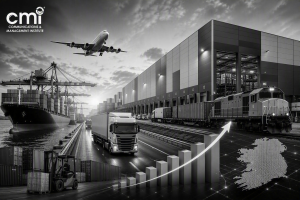 Did you know that Ireland’s national logistics stock surged to over 51 million square metres by the start of 2026? This growth, combined with increasing automation, sustainability requirements, and evolving EU regulations has an impact in roles. Organisations need qualified logistics professionals capable of improving efficiencies and building resilient supply chains for the future. Experience alone isn’t enough to get promotion or a career change.
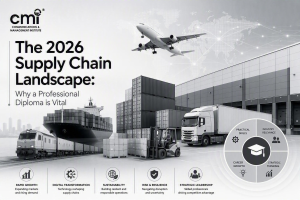 The 2026 supply chain landscape isn’t just about moving goods; it’s about mastering a strategic discipline. A professional logistics and supply chain management diploma serves as a robust qualification where Irish employers favour industry-recognised certifications over general business degrees. This preference stems from the diploma’s ability to provide immediate, practical solutions to complex regulatory hurdles like the Carbon Border Adjustment Mechanism (CBAM) and the EU Packaging and Packaging Waste Regulation (PPWR). To fully grasp the breadth of this field, it’s helpful to understand
 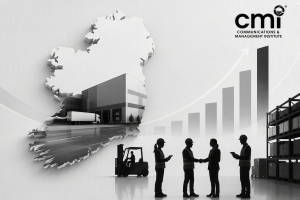 Ireland’s logistics infrastructure has expanded rapidly, with national stock reaching 51.4 million square metres at the start of 2026. Despite this physical growth, a significant skills gap remains. Companies across the country report a shortage of professionals capable of handling strategic procurement and advanced inventory management. By completing a logistics and supply chain management diploma, you position yourself as a solution to this talent deficit. For a deeper look at how these qualifications align with specific roles, you should consult our guide on
  Strategic Procurement and Global Sourcing
 Selecting the right institution is a critical step in your career trajectory. CMI Ireland provides a unique delivery model that blends expert tutors who are active practitioners in the field with practical support, ensuring you don’t just earn a qualification but master the industry.
 Their commitment to your advancement is reflected in the high success rates of our graduates and our consistently positive


